




First, the standard cost may not be realistic, recording transactions and second, the yield target may not be achievable. Should Standard Costs be re-run if human or system errors are causing standard cost variances? Standard costing is a tool that can help organizations keep track of their costs, but it is not perfect. If you have an unfavorable labor quantity variance, you’re using more labor than planned, likely due to inefficiencies in your production process.

Pre-Requisite # 7. Efficient Accounting System:
- In short, a standard cost is a valuable tool for both financial planning and operational decision-making.
- One way is to compare the standard cost to the actual cost of production.
- Another objective is to implement a feedback control cycle within a business.
- While variances can provide valuable insights into a company’s performance, it is essential to remember that they are only one part of the larger picture.
- After a period, say one month, the company compares the actual cost incurred per unit, say $2.05 to the standard cost and determines whether it has succeeded in controlling cost or not.
Consider a manufacturer producing both custom and standard versions of a product. Using ABC, they might discover that custom products consume significantly more resources. This insight allows for differential pricing and more accurate profitability analysis than traditional costing methods would provide. For instance, a company might allocate factory overhead costs based on machine hours, labor hours, or production volume, depending on what best reflects the actual consumption of resources. Achieving a high standard cost yield is vital for businesses as it can help to improve profitability and competitiveness.

Factory Overhead Variance
- In particular, standard costing provides a benchmark against which management can compare actual performance.
- Standards set based on expected future conditions, accounting for anticipated changes and improvements in the production process.
- Remember, these examples and case studies are intended to illustrate the practical application of standard costing.
- On the other hand, the difference is referred to as a favorable variance if the actual value is lower than the standard.
- Implementing standard costing can vary based on industry, company size, and specific requirements.
Standard costing is a cost accounting technique used to compare the standard costs of production against the actual costs incurred, helping businesses identify and analyze variances. This method enables effective budgeting, cost control, and performance evaluation by establishing predetermined cost benchmarks for materials, labor, and overheads. Familiarizing oneself with standard costing can enhance an organization’s financial efficiency and strategic decision-making. Another suitable situation for standard costing is when management seeks to improve cost control and efficiency. By setting standard costs for materials, labor, and overhead, businesses can quickly identify variances between expected and actual costs. This enables management to investigate discrepancies promptly and take corrective actions, such as optimizing production methods or renegotiating supplier contracts.
Example: Calculating Standard Costs for a Custom Metal Chair
- Managers must plan for the most efficient and economical ways of doing things.
- Instead, these extra costs would be added to variance accounts after actual costs were compared to standard costs.
- Overall, standard costing is best suited for environments where consistency, efficiency, and cost control are critical.
- Management can use it for decision-making processes such as pricing products or services, advertising strategies, and new product development.
- Helpful in production planning – Production policies may be determined in advance on the basis of standard cost of production.
- Unlike financial accounting, which follows strict regulations, cost accounting is only used for internal decisions and is not bound by external reporting standards or regulations.
It can help identify when these changes have occurred and how they have affected the cost of production. A supply chain’s proper inventory management lowers overall inventory costs and aids in deciding how much of a product a company should carry. All of this data aids businesses in determining the necessary margins to allocate to each product or category.
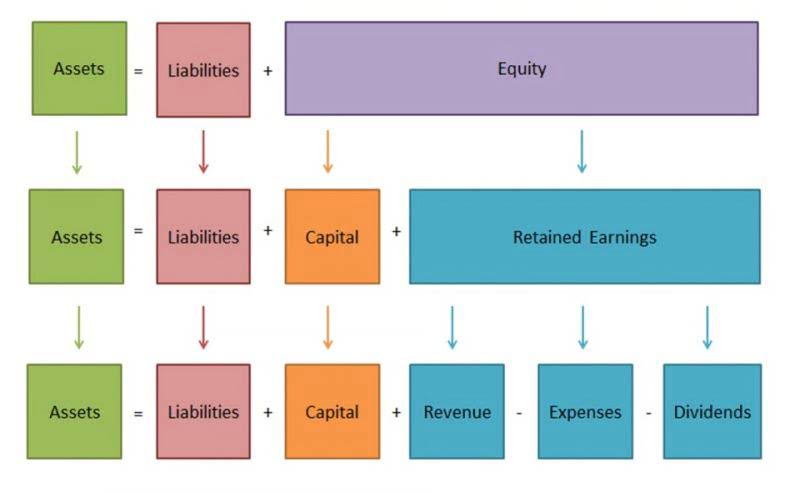
- Understanding the relationship between operating costs and revenue is key for measuring operational efficiency and profitability.
- It is used to motivate employees to work efficiently because variances and responsibility can be identified more easily – National Association of Accountants, U.S.A.
- Companies that do payroll in QuickBooks will find it easier to do job costing as the software includes an “account payable” function that has built-in job costing.
- Current standards are similar to basic standards in that these do not encourage the management of the business to constantly improve processes to improve efficiency.
- It assigns specific costs to specific activities, then compares those activities’ actual costs to the budgeted cost.
- It is assumed that the additional 8 hours caused the company to use additional electricity and supplies.
This can lead to several problems, including over or under-invoicing, inaccurate inventory valuation, and poor decision-making. Adjusting the overhead application rate can help you keep your actual costs close to what they are. It can determine a power antenna’s cost and selling price by knowing its standard material cost and the labor cost of adding the antenna to the vehicle. General Motors can also add up all the standard times for all vehicles to determine if too much or too little labor was used in production. The ability of a firm to successfully control the cost, quality, and performance standard costing system of its products and services is essential to that company’s continued existence.
Get manufacturing know-how delivered to your inbox!
Human activities such as manual labor, material, equipment, and other production elements determine standard costs before they are calculated. Standard costing is becoming more efficient with the introduction of advanced and versatile systems. Sales variances are presented either in terms of variances in margin or in terms of variances in turnover. Usually a comprehensive report, which reconciles the actual profit and the budgeted profit, virtual accountant is presented showing sales and cost variances.
